 Lianrui

+86 18027044899

info@savinomedical.com

点击右上角
分享给朋友吧

The Essential Guide to Disposable Gloves in Food Service
Author:Lianrui Trading Company
Click:
Time:2020-10-28 15:06:05
Why Wear Gloves in Food Processing?
Food handlers come into contact with various ingredients, potentially carrying bacteria like Listeria and Salmonella on their hands. These pathogens can cause serious foodborne illnesses when transferred to food. Disposable gloves act as a protective barrier, significantly reducing the risk of infection for both employees and consumers.
Regulations such as those from the FDA recommend or require the use of disposable gloves in food service to maintain hygiene and safety. Across restaurants, catering, and processing facilities, disposable gloves are the first line of defense against foodborne disease.

Types of Disposable Gloves
Not all gloves are created equal. Here are the common types used in the industry:
- Latex Gloves: Made from natural rubber latex, these gloves offer excellent fit, comfort, and tactile sensitivity, making them suitable for prolonged wear. However, they contain latex proteins that can cause allergic reactions in some individuals. Their natural color (usually pale tan or white) can also make them difficult to spot if torn and mixed into food, posing a contamination risk.

- Nitrile Gloves: Made from synthetic rubber (acrylonitrile-butadiene), nitrile gloves provide superior strength, puncture resistance, and chemical protection against oils, greases, and acids. They are latex-free, eliminating allergy concerns. Their durability and excellent sensitivity make them a preferred choice for many demanding food processing tasks.
- PVC Gloves (Vinyl Gloves): Made from polyvinyl chloride, these gloves are cost-effective, latex-free, and easy to slip on and off due to their looser fit. They are commonly used in light-duty food preparation and service where frequent glove changes are necessary. Their smooth surface is suitable for general handling but offers less puncture resistance than nitrile.


How to Use Gloves Correctly
Proper usage is as important as choosing the right glove. Key guidelines include:
- Hands should be washed thoroughly before putting on gloves.
- Gloves must be worn when handling ready-to-eat foods or when touching surfaces that will contact food directly (utensils are an alternative for some tasks).
- Gloves are single-use. They must be changed between tasks, if torn or damaged, after an interruption (like handling money or trash), and when switching from raw to cooked foods.
- Gloves are not a substitute for handwashing. Hands must be washed after removing gloves.
How to Choose the Right Gloves for Food Processing
Selecting the appropriate glove involves considering safety, task, and practicality:
- Prioritize Food Safety & Allergy Concerns: Always choose gloves that are certified as food-safe. Avoid latex gloves to prevent potential allergic reactions among both staff and consumers.
- Consider the Task: Match the glove to the job. For tasks involving sharp tools, bones, or machinery, durable and puncture-resistant nitrile gloves are ideal. For light, quick-service tasks like assembly or packaging, PVC gloves may be sufficient and cost-effective.
- Opt for High-Visibility Colors: Choose gloves in colors (like blue, purple, or black) that contrast with the food being handled. This makes it easy to spot a torn piece of glove, preventing it from becoming a physical contaminant.
- Evaluate Fit and Comfort: A proper fit improves dexterity and reduces hand fatigue. Nitrile gloves often provide the best balance of fit and durability, while PVC gloves offer a more relaxed fit for easy changes.
Conclusion
For food service operations, disposable gloves are a non-negotiable component of a modern food safety program. By understanding the types available, enforcing correct usage protocols, and making informed choices—particularly favoring latex-free, colored, task-appropriate options like nitrile or PVC—businesses can better protect their employees, their customers, and their reputation.
Recommended article
—


Recommended Products
—
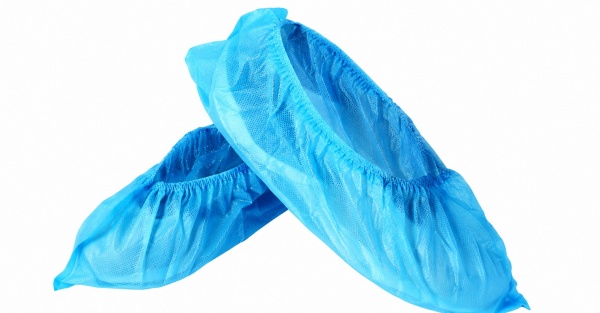
Regular Shoe Cover
●Made of SPP non-woven fabric ●Automatically sewn with elastic band ●Prevent cross-contamination from the environment or the wearer ●Protect the wearer from dust and liquids
Interview

Detectable Clip Cap
●Built-in detectable metal strip ●Convenient and quick to identify metal foreign objects ●Safe material, suitable for all kinds of people to wear ●Comfortable to wear, fits the curve of the head ●Good breathability, keep the head dry
Interview

Disposable Nitrile Gloves
● Finger textured enhanced wet and dry grip with added handling precision ● A good barrier protection agains chemicals and dangerous substances ● An alternative solution for individuals who are allergic to Natural Rubber Latex ● Free from latex protein, eliminating Type I Immediate Hypersensitivity reaction ● Custom design enhanced comfort and fit ● Latex-free, powder-free, and odor-free
$887.00

Disposable Vinyl Gloves
● Made from premium quality PVC ● Higher tensile strength and more tactile sensitivity ● DOP or DEHP free ● Compliant with food handling requirements ● No latex protein to cause allgery
Interview

Disposable Latex Gloves
● Easy donning and helps prevent rolling back. ● Softness provides superior comfort and forms fitting to hands. ● Better tactile sensitivity and durable protection.
Interview

Diamond Textured Nitrile Gloves
● Mega-diamond texture ensures 600% stronger grip than standard nitrile. ● Deep channels sweep liquids to maintain consistent grip. ● Compliant with US/EU food contact regulations. ● Latex-free design prevents allergic reactions.
Interview

Disposable PE Gloves
● Extra light weight and small volume for storage ● Excellent and tactile sense ● Ultra soft and strong ● Plasticizer free, Phthalate free, Protein free ● Eco-friendly ● Food safe, suitable for handling all
Interview

Disposable Nitrile Exam Gloves
● Manufactured under ISO 9001:2015 and ISO 13485:2016 Quality · Management System ● Textured fingertips for enhanced grip ● Custom design enhanced comfort and fit ● An alternative solution for individuals who are allergic to natural rubber latex
Interview

Disposable Latex Exam Gloves
● Low level of extractable proteins and chemical residue ● Textured for improved grip ● Excellent and tactile sense ● Beaded cuff for easy donning and prevention of roll back
Interview

Disposable Vinyl Exam Gloves
● A variety of colors available for different people or industries ● Dry and smooth coating to avoid dermatitis ● No latex protein to cause allergy ● The vinyl gloves are DOP or DEHP free ● Higher tensile strength and more tactile sensitivity ● 100% brand-new formula to enhance softness and fitness
Interview

Surgical gloves
● Medical-grade sterile design prevents cross-contamination. ● High elasticity ensures a soft, skin-friendly fit. ● Powder-free interior for easy on/off. ● Textured surface enhances grip precision. ● Single-use disposable for safe, hygienic use.
Interview

Medical Face Mask
● Pliable nosepiece for best fit ● Ultra-sonic weld ensures the strongest constructed ● Nonwoven 3Ply design, Spunbond+Meltblown+Spunbond
Interview
